

Picture this: a crispy, perfectly charred pizza with bubbly cheese and a tender crust, ready in just a minute. You don’t need a fancy restaurant or a wood-fired brick oven to achieve that magic at home. Propane pizza ovens have brought professional-level performance to backyards, patios, and camp kitchens everywhere. Whether you’re a weekend home cook or a passionate pizza enthusiast, choosing the right gas-powered oven is the key to effortless outdoor cooking. This guide covers three standout models from Ooni, Pizzello, and Big Horn, each designed to deliver exceptional results without the fuss of building a fire. To dive deeper into backyard setups, check out our best pizza oven for backyard guide.
Product Comparison


Buying Guide
Cooking Temperature and Speed
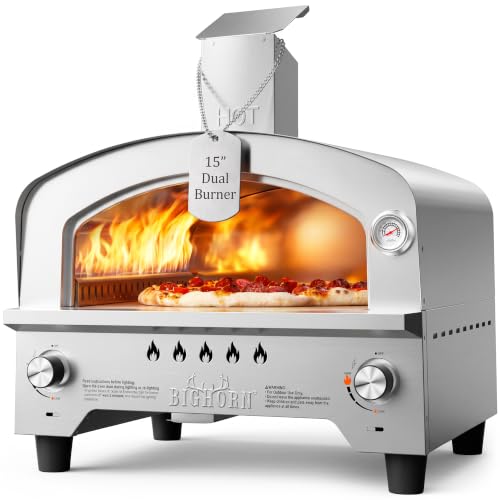
High heat is the secret to a Neapolitan-style pizza with leopard spotting and a soft, airy interior. Look for an oven that can reach at least 750°F for that authentic char in under two minutes. The Ooni Koda 2 hits up to 950°F, cooking a 14-inch pizza in about 60 seconds. The Big Horn model can reach up to 1070°F at maximum, while the Pizzello tops out at 752°F. Faster heat-up times also matter—less waiting and more eating.
Fuel Versatility
Propane is the most convenient, offering instant ignition and consistent heat without the mess of charcoal or wood. Some ovens, like the Pizzello, offer dual-fuel capability, allowing you to switch between gas for weeknight dinners and wood for that smoky flavor when time allows. If you’re new to pizza making, a propane-only model like the Ooni Koda 2 may be simpler to master. For more on starting your journey, visit the best pizza oven for beginners.
Size and Portability
Consider where you’ll use your oven most often. Compact models like the Ooni Koda 2 (35 lb) are easy to move around a patio or pack for camping. The Big Horn oven features foldable legs and a removable stone for easy storage. The Pizzello includes a carry bag, making it a strong choice for tailgating or road trips. Larger stone sizes—14 to 16 inches—give you more room for family-sized pizzas and other foods.
Build Quality and Accessories
A well-insulated double-wall stainless steel body retains heat and improves efficiency. Look for a built-in thermometer to monitor temperature without opening the door. Most ovens come with a pizza stone, peel, and gas regulator. The Big Horn kit includes both a metal peel and a foldable peel for storage. The Pizzello provides a complete set with a cutter and pellet scoop. For budget-friendly upgrades, read top pizza ovens under $300 and best pizza oven under $200 for year-round value.
Final Thoughts
When you’re ready to bring restaurant-quality pizza home, the Ooni Koda 2 Propane Gas Pizza Oven stands out for its even heat distribution and ultra-fast cook times, ideal for consistent results every time. If you love the idea of dual-fuel flexibility and a full accessory set, the PIZZELLO 16″ Outdoor Pizza Oven offers incredible value with the option to add wood-fired flavor. Both are top-tier choices in 2026 and will transform your outdoor cooking game.
Frequently Asked Questions
How long does a propane pizza oven take to heat up?
Most propane ovens reach cooking temperature in 10 to 30 minutes. The Big Horn model can hit 750°F in about 10 minutes, while the Pizzello requires around 25 minutes. The Ooni Koda 2 heats quickly thanks to its G2 gas technology.
Can I use a propane pizza oven indoors?
No, propane pizza ovens are designed strictly for outdoor use due to carbon monoxide emissions and fire risk. Always operate them in well-ventilated areas away from structures. For indoor options, check our categories like Best Iced Tea Makers for kitchen-friendly gadgets.
What size pizza can I cook in these ovens?
The Ooni Koda 2 handles up to 14-inch pizzas, the Big Horn fits up to 14.7 inches, and the Pizzello accommodates 16-inch pies. Larger ovens also work well for cooking vegetables, meats, and flatbreads.
Do I need to rotate the pizza during cooking?
Some ovens like the Big Horn use arc-shaped chambers to circulate heat evenly, so rotation is often unnecessary. Others may benefit from a quarter-turn halfway through for even browning. Practice helps you learn your oven’s hot spots.


