You just bought a bag of single-origin beans, the kind with tasting notes of blueberry and dark chocolate. You grind them in a blade grinder, and the result is a muddy, bitter, uneven cup. The problem is not your beans or your brewing skill. It is the inconsistent grind size that leads to over-extracted and under-extracted coffee in the same brew. A conical burr grinder crushes beans between a stationary and a moving burr, creating uniform particles. This consistency is the single biggest upgrade you can make to your coffee routine, and it is why finding the best conical burr coffee grinder for your kitchen is so important.
For a deeper dive into how grinders compare across different styles, check out our guide to the best electric coffee grinder for more options.

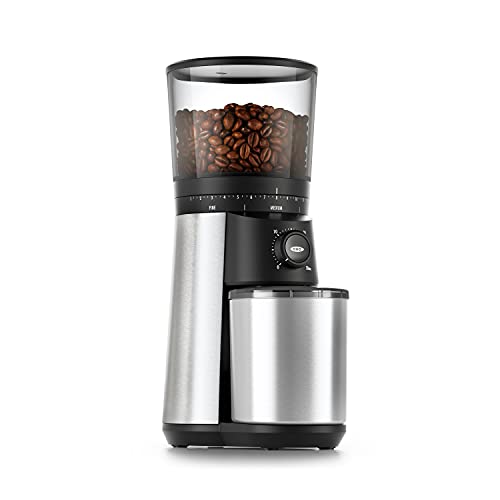
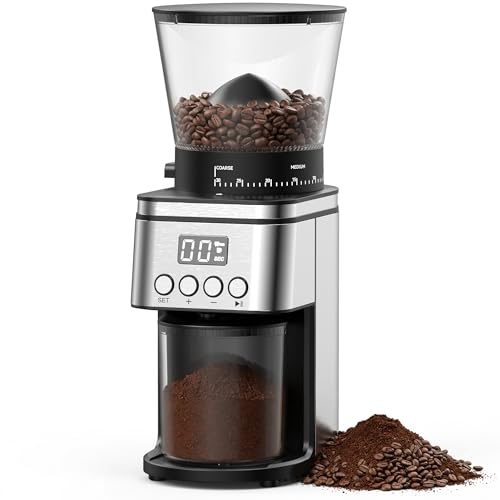

What to Consider When Choosing a Conical Burr Grinder
Selecting the right grinder involves more than just picking the first model you see. Here are the key factors to weigh before making your choice.
Grind Settings and Adjustability
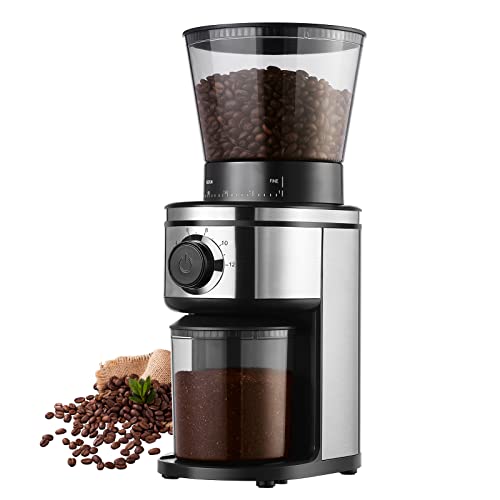
The number of grind settings determines how precisely you can dial in your coffee. A grinder with 30 to 40 settings offers the flexibility to switch between espresso, pour-over, and French press. More settings allow you to fine-tune the grind size to match your brewing method and bean freshness, giving you control over extraction and flavor.
Look for a grinder with clearly marked, easy-to-adjust settings. Some models offer micro-adjustments, which are ideal for espresso enthusiasts who need precise control. The Baratza Encore, for example, provides 40 settings, making it a versatile choice for various brew methods.
Burr Material and Durability
Conical burrs are typically made from stainless steel or ceramic. Stainless steel burrs are durable and perform well over time, while ceramic burrs are harder and stay sharp longer but can be brittle. For most home users, stainless steel offers a great balance of longevity and performance.
Consider the build quality of the grinder itself. A sturdy motor and a solid housing ensure that the burrs stay aligned, which is crucial for consistent grinding. The Ollygrin model features durable stainless steel burrs and a gear reduction motor for slow, heat-free grinding.
Ease of Cleaning and Maintenance
Coffee oils and residue can build up over time, affecting the flavor of your coffee. A grinder with removable parts and a cleaning brush makes maintenance simple. Look for models where the hopper and burr assembly can be easily detached and cleaned.
Some grinders, like the Aromaster, include a built-in brush and a removable ring burr for hassle-free cleaning. Regular cleaning also extends the life of your grinder and ensures that every cup tastes fresh.
Capacity and Convenience Features
Consider how much coffee you typically brew. If you brew a full pot every morning, a grinder with a large hopper and a generous ground container is essential. Features like a timer or a cup selector allow you to grind the exact amount you need, reducing waste.
For example, the OXO Brew grinder has a one-touch start that remembers your last setting, and its hopper holds up to 12 ounces of beans. The Rounexes model offers a digital timer and a 2-12 cup control, making it easy to grind for a single cup or a large batch.
Final Thoughts
Finding the right conical burr grinder comes down to your brewing habits and preferences. For a reliable, entry-level option that excels at consistency, the Baratza Encore Coffee Grinder ZCG485BLK, Black is a top choice, while the Ollygrin Burr Coffee Grinder offers a more budget-friendly yet feature-rich alternative for those who want variety in grind settings without breaking the bank.
Frequently Asked Questions
What is the difference between a conical and a flat burr grinder?
Conical burrs are shaped like a cone and sit inside a ring, while flat burrs are two parallel discs. Conical burrs are generally quieter and less prone to clogging, making them a popular choice for home use.
How fine should I grind coffee for a French press?
For French press, you want a coarse, even grind, similar to breadcrumbs. This allows for a longer steeping time without over-extracting, resulting in a smooth, full-bodied cup.
Can I use a conical burr grinder for espresso?
Yes, many conical burr grinders offer fine grind settings suitable for espresso. Look for a model with micro-adjustments to dial in the perfect grind size for your espresso machine.
How often should I clean my burr grinder?
It is recommended to clean your grinder every few weeks, depending on usage. A quick brush-down and a deeper clean with a little rice or grinder cleaner helps remove oils and residue, keeping your coffee tasting fresh.