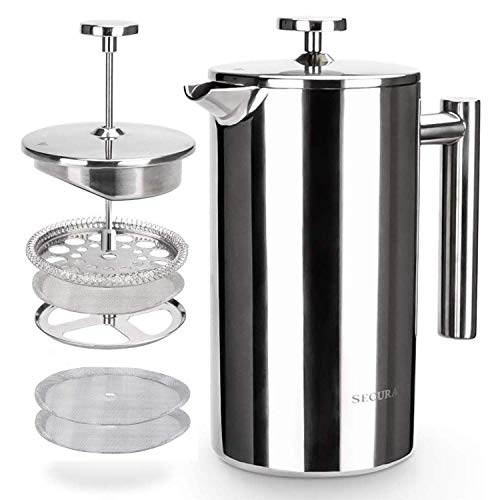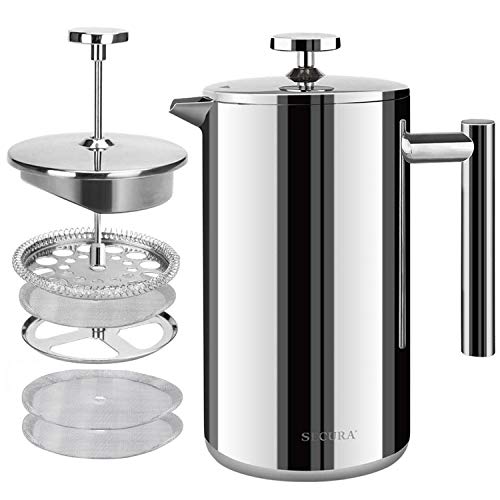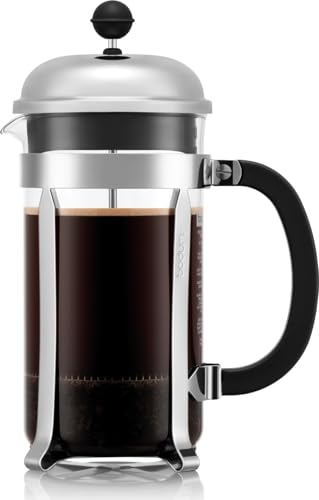
You love the smooth, rich taste of cold brew but are tired of spending at coffee shops. Making your own cold brew at home can be a game-changer—it saves money, reduces waste, and lets you control the flavor. Whether you need a compact system for small spaces or a large pitcher for family gatherings, the right cold brew coffee system makes all the difference. This guide covers four expertly vetted options, from budget-friendly glass jars to premium brewers with advanced features.
For more insights, check out our curated selection of best cold brew coffee maker for home to find a model that fits your daily routine.


Buying Guide
Brew Capacity and Concentrate Yield
Consider how much coffee you drink daily. Larger cold brew systems, like 64-ounce pitchers, can produce enough concentrate for multiple servings. Compact models, around 24 to 32 ounces, are ideal for individuals or small households. A larger capacity also reduces how often you need to brew.
For high-volume needs, a bigger system saves time. Smaller units fit neatly in refrigerators and are easier to handle during cleaning.
Filter Quality and Ease of Cleaning
The filter determines your coffee’s clarity and taste. Fine-mesh stainless steel filters, often 100-micron or less, prevent grounds from seeping into the brew. Reusable filters are eco-friendly and easy to clean with a brush or in the dishwasher.
Some models feature wide-mouth jars for easy hand cleaning—a major convenience if you brew regularly. Avoid paper filters that require constant replacement.
Design and Durability
The material matters. Borosilicate glass is durable and non-porous, resisting odors and stains. Tritan plastic offers shatter-proof durability, making it safer for on-the-go use. Look for airtight, leak-proof lids to keep your concentrate fresh for days.
Ergonomic handles and spill-proof spouts add daily convenience. A well-designed system fits comfortably in your refrigerator door and won’t tip over during pouring.
Brewing Simplicity and Control
Some systems use a simple steep-and-release mechanism, while others have a switch to control filtration. Even extraction is key for balanced flavor—designs like a rainmaker head distribute water evenly over grounds. Automatic stops when removing the carafe prevent over-extraction and mess.
For more tips on selecting the perfect brewer, read our guide to budget-friendly cold brew coffee makers.
Final Thoughts
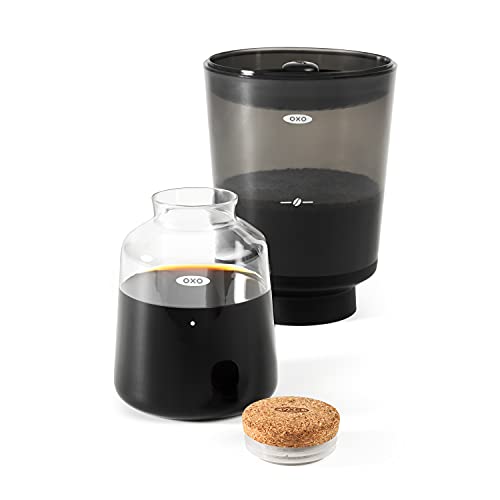
Choosing the best cold brew coffee system depends on your space and brewing style. The VA1KENE 64 oz Cold Brew Coffee Maker offers a generous capacity with a fine-mesh filter and a leak-proof lid at an accessible price, ideal for those who want value without compromising quality. If you prefer a compact, no-fuss experience, the OXO Brew Compact Cold Brew Coffee Maker – 24 oz delivers balanced extraction and easy storage, perfect for smaller kitchens. Both bring you one step closer to café-quality cold brew right at home.
Frequently Asked Questions
How long does it take to brew cold brew coffee?
Most cold brew systems require 12 to 24 hours of steeping at room temperature or in the refrigerator. The exact time depends on your taste preference—longer steeping produces a stronger concentrate. For a balanced brew, we recommend 18 to 24 hours for the best flavor.
Can I use a cold brew coffee system for hot coffee?
Yes, many cold brew coffee makers are versatile enough for hot brewing, especially those made from heat-resistant materials like borosilicate glass or Tritan. Always check the manufacturer’s guidelines to avoid thermal shock. The Takeya Deluxe Cold Brew Coffee Maker, for example, can handle both hot and cold preparations safely.
How do I clean my cold brew coffee maker?
Most reusable filters and carafes are dishwasher safe. For hand cleaning, use warm water and a mild detergent with the included brush to remove coffee oils. Wide-mouth jars make scrubbing easy. Regular cleaning prevents residue buildup and keeps your brew tasting fresh. For more tips, see our best compact cold brew coffee makers guide.
What coffee grind should I use for cold brew?
Use a coarse grind—similar to breadcrumbs—to avoid over-extraction and sludge. Fine grounds can clog the filter and make the coffee bitter. Most cold brew systems work best with a medium-coarse to coarse grind for a clean, smooth result in 2026.