What Causes a Food Dehydrator to Overheat?
If your food dehydrator is overheating, the first thing to check is airflow. A dehydrator works by circulating warm air across food at a consistent low temperature. When airflow is blocked, heat builds up inside the chamber and the temperature rises above the set point. Other common causes include a faulty thermostat, a malfunctioning heating element, or simply running the unit for too long without a break. Understanding why the temperature spikes is the first step to getting consistent, safe drying results.
1. Blocked Airflow From Overpacking
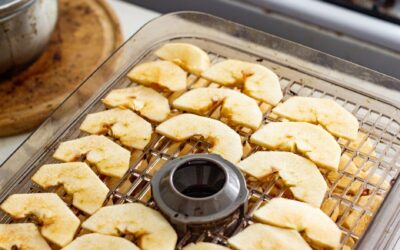
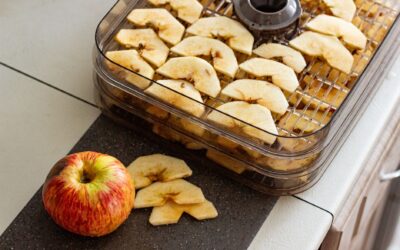
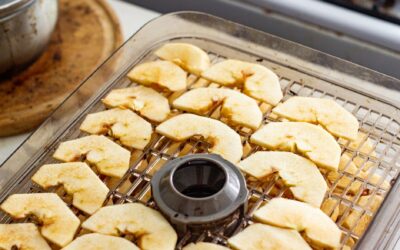
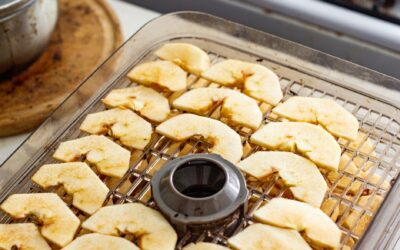
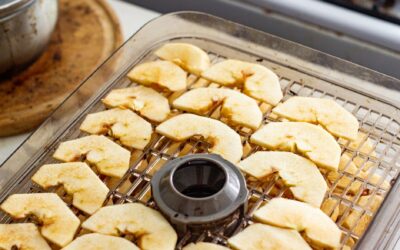
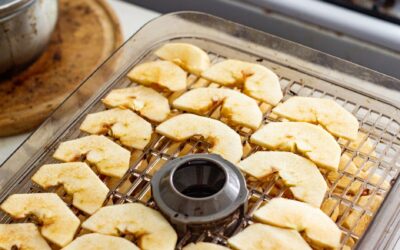
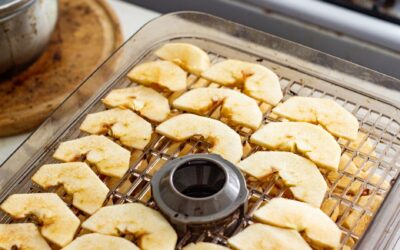
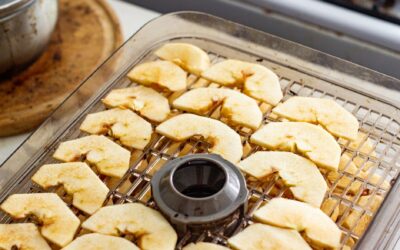
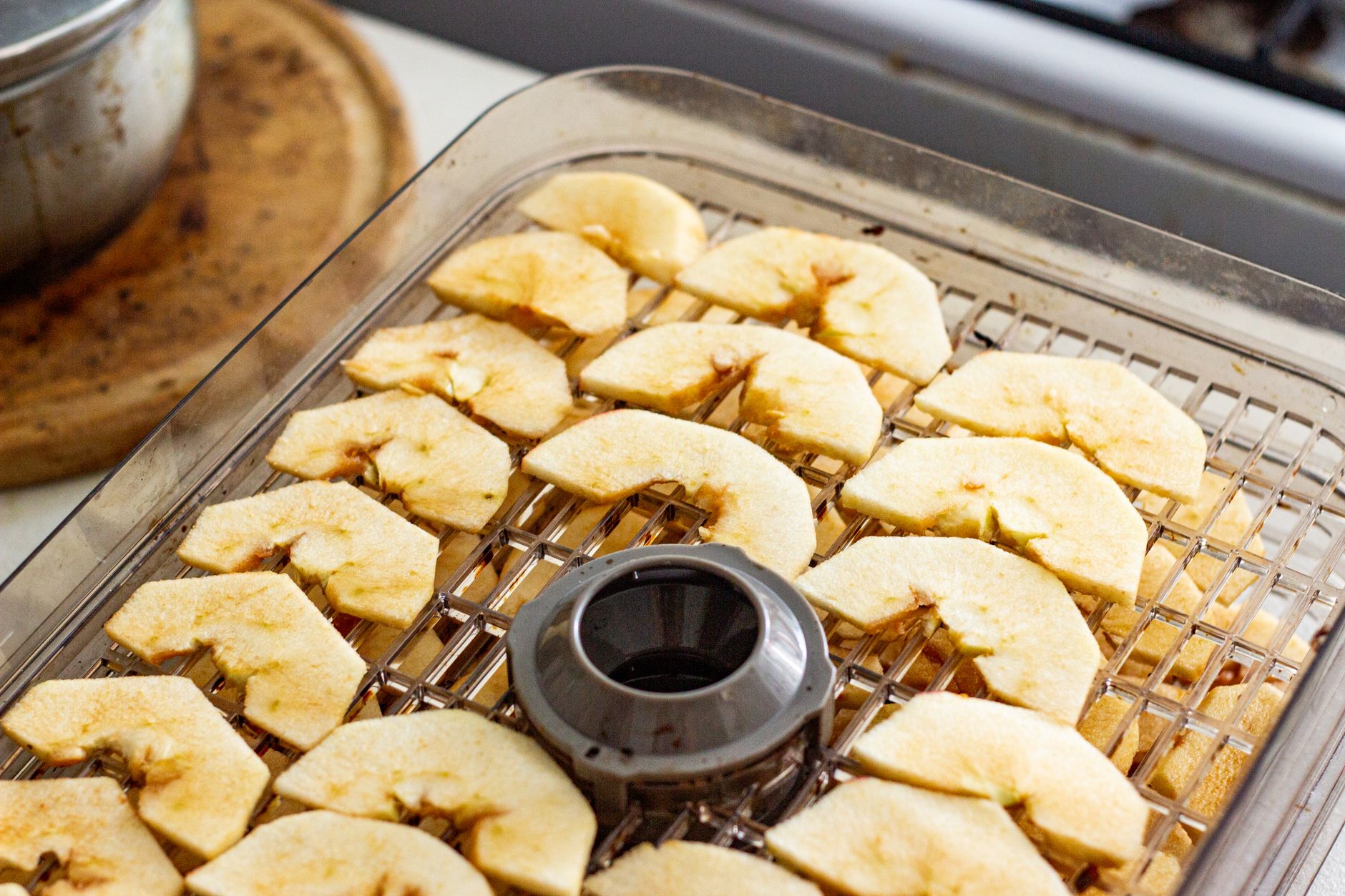
The most frequent cause of overheating is stacking too many trays with food that touches or overlaps. Each tray needs space between pieces for air to move freely. When you crowd the tray, the dehydrator’s fan cannot push hot air out fast enough, so the internal temperature climbs well above the dial setting.
Check your dehydrator’s manual for recommended spacing. In general, leave at least half an inch between pieces and never block the center vent on round dehydrators. If you notice uneven drying or scorched edges, reduce the load on your next batch.
2. Dirty or Clogged Air Vents
Dust, grease, and food debris can accumulate on the intake and exhaust vents over time. When these vents are partially blocked, the dehydrator cannot exchange air properly, causing heat to linger inside. This is especially common if you dehydrate sticky or oily foods without cleaning the unit between uses.
Inspect the vents on the back, bottom, or sides of your dehydrator. Use a soft brush or compressed air to clear dust. For stubborn grease, wipe the vents with a damp cloth and mild detergent, then dry thoroughly before using the dehydrator again.
3. Faulty Thermostat or Temperature Sensor
Every dehydrator has a thermostat that regulates the heating element. If the thermostat is stuck in the “on” position or the temperature sensor gives a false reading, the unit will run hotter than the dial indicates. This is a mechanical failure, not a user error.
You can test the temperature with an independent oven thermometer placed on a middle tray. If the reading differs from the setting by more than 10°F, the thermostat likely needs replacement. Contact the manufacturer for a replacement part or repair service. Do not attempt to adjust the thermostat yourself unless you have experience with electrical repairs.
4. Continuous Running Without a Cool-Down Cycle
Many dehydrators are designed to run for hours, but even the best units can overheat if they run nonstop for 24 hours or more in a hot room. The internal components build up residual heat, and the cooling fan might not be able to keep up if the ambient temperature is above 80°F.
If you are dehydrating a large batch, give the machine a 30-minute break every 12 hours. Also, place the dehydrator in a well-ventilated area away from walls and other appliances. Running it in a closed cabinet or on a countertop with poor airflow will exacerbate overheating.
5. Malfunctioning Heating Element
The heating element itself can fail in a way that makes it output more heat than intended. This is less common than a thermostat issue, but it does happen. Signs include a smell of burning plastic, visible glow from the element (if it is a quartz type), or the exterior of the dehydrator becoming too hot to touch.
If you suspect a faulty heating element, unplug the dehydrator immediately and let it cool. Contact the manufacturer or a qualified repair technician. Replacing a heating element is not a DIY job for most users, and a damaged element can be a fire hazard.
How to Fix a Food Dehydrator That Overheats
- Reduce the load on each tray and leave space between food pieces.
- Clean the air vents and the interior of the dehydrator after every use.
- Verify the actual temperature with an independent oven thermometer.
- Give the dehydrator a 30-minute cool-down break if running for more than 12 hours.
- If the unit still overheats, contact the manufacturer about thermostat or heating element replacement.
Most overheating issues are caused by blocked airflow or a dirty machine, not a major mechanical failure. Regular cleaning and proper loading are the simplest fixes. For more on maintaining small kitchen appliances, see our guide on how to clean a coffee maker — the same principles of removing buildup apply to dehydrators and other countertop devices.
Frequently Asked Questions
Can a food dehydrator catch fire if it overheats?
Yes, a severely overheated dehydrator can pose a fire risk, especially if the heating element malfunctions or if flammable debris is inside. Always unplug the unit if you notice a burning smell, excessive heat on the exterior, or smoke. Never leave a dehydrator running unattended if you suspect it is overheating.
Why does my food dehydrator get hotter as it runs longer?
This usually indicates that the cooling fan is not working efficiently or that the ambient temperature is too high. The fan may be clogged with dust, or the dehydrator may be placed in a small, enclosed space. Improve airflow around the unit and clean the fan area if accessible.
Is it safe to use a food dehydrator that runs a bit hot?
Running slightly above the set temperature (5-10°F) is typically not dangerous, but it will affect drying results. Food may dry too quickly on the outside while remaining moist inside, or it can lose nutrients. If the temperature is more than 15°F above the dial, stop using the unit until you diagnose the cause.
How often should I clean my food dehydrator to prevent overheating?
Clean the trays and interior after every use, especially if you dried sticky or fatty foods. Check the vents and fan area every few uses. A quarterly deep clean (including the heating element area if accessible) will keep the unit running at the correct temperature.
Related Guides
Final Thoughts
Food dehydrator overheating is almost always caused by blocked airflow, a dirty machine, or a worn thermostat, not a design flaw. By checking the vents, reducing the load, and verifying the temperature with a separate thermometer, you can usually fix the problem yourself. For more tips on keeping your kitchen appliances in top shape, read our guide on how to remove coffee maker mineral buildup — the same thorough cleaning approach will help your dehydrator last longer.