
If your food dehydrator keeps shutting off, the most common cause is an automatic safety thermostat that trips when the motor overheats or airflow is blocked. This built-in protection prevents fire risk but can be triggered by a variety of issues, from simple overcrowding to a failing component. Understanding why your specific model shuts down is the first step to getting it running reliably again.
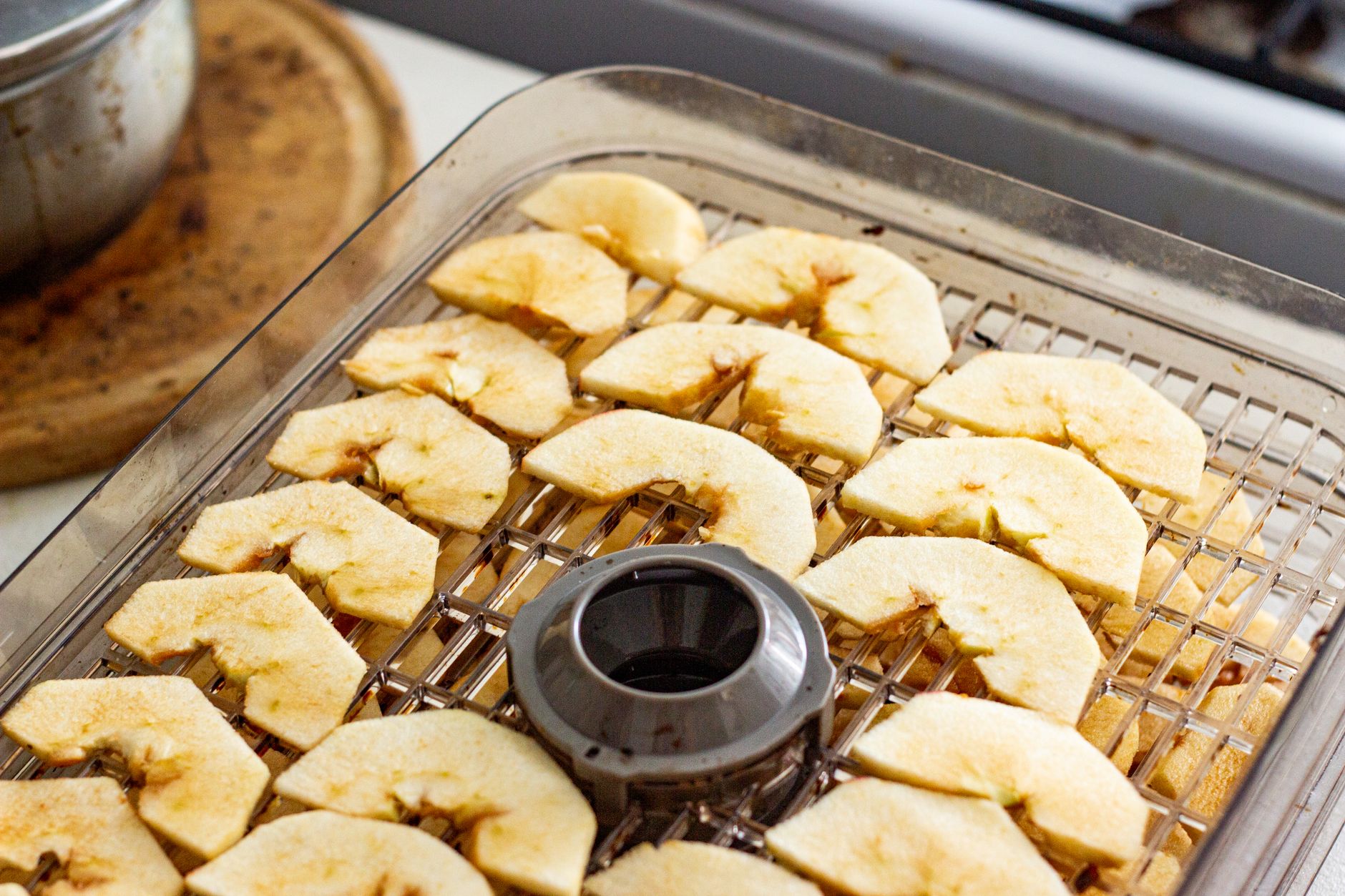
1. Overloaded Trays Restricting Airflow
The most frequent reason a food dehydrator shuts off is that the trays are packed too tightly, blocking the hot air from circulating. Dehydrators rely on constant airflow to carry moisture away from the food and past the heating element. When you pile pieces too close together or stack wet ingredients too thick, the motor strains and the internal temperature rises too fast, triggering the thermal cutoff.
To check this, reduce the amount of food on each tray to a single layer with small gaps between pieces. Make sure no food touches the sides or the center chimney of the unit. If the dehydrator runs longer after you thin out the load, airflow was the issue.
2. Thermal Overload Protection Tripping
Nearly all dehydrators include a thermal fuse or a resettable thermostat that cuts power if the internal temperature exceeds a safe limit. This safety device is necessary, but it can trip prematurely if the unit is in a hot room, placed near a heat source, or run for very long sessions without a break. Some models have a manual reset button; others reset automatically after cooling down for 15–30 minutes.
If your food dehydrator keeps shutting off after an hour or more of operation, try moving it to a cooler, well-ventilated area away from the oven or direct sunlight. Also, avoid running it in an enclosed cabinet or on a surface that traps heat underneath.
3. Faulty Timer or Overheating Circuit Board
Many modern dehydrators have electronic timers or digital controls that can fail over time. If the unit turns off at the same point every cycle regardless of load or temperature, the timer may be defective. A failing capacitor or resistor on the circuit board can also cause intermittent shutdowns. These issues usually require a replacement part or service.
Try bypassing the timer by plugging the dehydrator into an external outlet timer if you suspect this is the cause. If the unit runs past its normal cutoff point with an external timer, the internal timer is likely the problem.
4. Loose Power Connection or Cord Damage
A seemingly random shutdown can be the result of a loose plug, a frayed cord, or a faulty outlet. Vibration from the dehydrator’s fan can slowly wiggle a loose plug out of the socket, breaking the circuit. A cord that has been pinched or chewed by a pet may have intermittent contact that cuts power when moved.
Inspect the entire power cord for cuts or exposed wire. Try a different outlet and make sure the plug fits snugly. If the cord feels hot to the touch, stop using the dehydrator immediately and replace the cord or the unit.
5. Motor Burnout or Fan Obstruction
If the fan blades are blocked by a piece of food or a foreign object, the motor can overheat and shut down. A failing motor may also produce a humming sound or a burning smell before it cuts out. This is less common but more serious because it often means the motor windings are damaged.
Listen for unusual noises and check the fan area (usually at the bottom or back of the unit) for debris. If the motor runs freely but still overheats, it may need professional repair or replacement.
How to Fix a Food Dehydrator That Keeps Shutting Off
- Reduce the load to a single layer of food per tray with space between pieces.
- Move the dehydrator to a cooler, ventilated spot away from other appliances.
- Clean the fan intake and ensure no food debris is blocking the blades.
- Check the power cord and outlet for looseness or damage.
- Test with an external timer to isolate a faulty internal timer.
If none of these steps solve the problem, you may need to compare specifications on newer models. For a detailed look at current options, read our guide on the best food dehydrators. That guide covers features like adjustable thermostats and thermal overload resets that prevent the very issue you are experiencing.
Related Guides
Frequently Asked Questions
Why does my dehydrator stop after 15 minutes?
A shutdown within the first 15 minutes usually points to a thermal cutoff that is too sensitive or a motor that is binding. Check for a jammed fan and make sure the unit is on a flat, heat-resistant surface. If the problem persists, the thermal fuse may need replacement.
Can a dirty dehydrator cause it to shut off?
Yes, accumulated food residue on the heating element or fan can restrict airflow and cause overheating. Regular cleaning between uses helps maintain proper airflow and prevents the thermal protection from tripping prematurely.
Is it safe to leave a dehydrator running overnight?
Most modern dehydrators are designed for overnight use, but if your unit has been shutting off repeatedly, do not leave it unattended. The intermittent shutdowns could indicate an electrical fault that poses a fire risk. Fix the root cause before running long cycles.
How do I reset my dehydrator after it shuts off?
Unplug the unit and let it cool for at least 20 minutes. Some models have a manual reset button near the power cord or on the bottom; press it firmly. Others reset automatically once the internal temperature drops below the threshold.
A food dehydrator that keeps shutting off is almost always protecting itself from overheating. Start with the simplest fix — reduce the load and improve airflow — before troubleshooting more complex parts. For a deeper look at how different dehydrators handle heat regulation, check out our roundup of the best food dehydrators on the market.