
If your food dehydrator is not heating, the most likely causes are a defective thermostat, a burned out heating element, a blown thermal fuse, or a loose wiring connection. The heating system in most dehydrators is simple and relies on these few components to generate and regulate heat. Before you replace the entire machine, you can often identify the exact part that failed and fix it yourself.

Pros
- Significantly larger drying capacity than competitors allows you to process more food in a single batch
- Exceptionally quiet operation with advanced brushless motor makes it suitable for any room or time of day
- Precise temperature control down to the degree ensures consistent results for jerky, fruit, vegetables, and herbs
- Horizontal airflow technology eliminates need for tray rotation, saving time and effort
- Comprehensive accessory ecosystem and 50 included recipes provide immediate value and inspiration
Cons
- Higher wattage and larger capacity mean greater electricity consumption compared to compact models
- Stainless steel construction and premium features position it at a higher price point than budget alternatives
- Requires adequate counter or shelf space due to its larger footprint and dimensions
The Cosori Food Dehydrator is a premium home dehydration solution designed for serious food preservation enthusiasts, health-conscious families, and anyone looking to create homemade jerky, dried fruits, and vegetable chips. With its spacious 6.5 square foot drying area across six stainless steel trays, this unit offers 27% more capacity than standard 7-tray competitors, making it an excellent investment for batch processing.
Performance-wise, the 600W motor with horizontal airflow technology delivers impressive drying speed and consistency. Unlike many dehydrators that require manual tray rotation for even drying, the Cosori's rear-mounted fan distributes heat uniformly across all trays simultaneously. The digital control panel allows precise temperature adjustment from 95-165°F in one-degree increments, with a timer extending up to 48 hours, giving you complete control over drying profiles for different food types.
What truly sets this model apart is its remarkably quiet operation. The advanced brushless motor keeps noise levels below 48 dB, making it one of the quietest dehydrators available. This means you can run overnight drying sessions without disturbing household members. The stainless steel housing looks professional, feels durable, and the dishwasher-safe trays make cleanup effortless compared to hand-washing alternatives.
The main considerations are its larger footprint requiring adequate counter space and slightly higher electricity consumption due to the powerful motor. Additionally, while the price point reflects premium quality and capacity, budget-conscious buyers may find more affordable compact options elsewhere. However, the included mesh screen, fruit roll sheet, and comprehensive 50-recipe cookbook provide immediate value that justifies the investment.
Overall, the Cosori Food Dehydrator excels as a reliable, efficient, and user-friendly machine that balances performance with convenience. Whether you're preserving summer harvests, making protein-rich jerky, or creating healthy snacks, this dehydrator delivers consistent, high-quality results with minimal effort and noise.
Capacity and Design: 6 food-grade stainless steel trays, 6.5 square feet total drying space, 27% larger than standard 7-tray models.
Power and Performance: 600W motor, horizontal airflow technology, rear-mounted drying fan, faster and more even drying without manual tray rotation.
Temperature Control: Precise digital control from 95-165°F in one-degree increments, ideal for different food types and preservation methods.
Timer: Programmable digital timer up to 48 hours for flexibility in drying times.
Noise Level: Advanced brushless motor operates below 48 dB for quiet, discreet operation.
Included Accessories: 6 dishwasher-safe trays, 1 mesh screen, 1 fruit roll sheet, user manual, and 50-recipe cookbook.
Housing: Food-grade stainless steel construction for durability and professional appearance.
Who Should Buy This Dehydrator: Home cooks interested in food preservation, jerky enthusiasts, health-conscious families wanting to create homemade snacks, gardeners with seasonal produce, and anyone seeking a high-capacity, quiet dehydrator for serious use.
Space Considerations: Ensure you have adequate counter or shelf space. The larger capacity comes with a proportional footprint, so measure your available space before purchasing.
Electricity Usage: The 600W motor is powerful and efficient but does consume more electricity than compact models. Budget accordingly if running extended drying cycles regularly.
Learning Curve: The digital control panel is intuitive, and the included 50-recipe cookbook provides guidance for various foods. Most users will master the basics within their first session.
Maintenance: Dishwasher-safe trays make cleaning simple. The stainless steel housing resists staining and is easy to wipe down. No special maintenance is required for the brushless motor.
Accessory Expansion: Cosori offers additional accessories available through their product line. Search for 'Cosori Dehydrator Accessories' or model numbers C267-2MS, C267-2FR, and C267-2ST for expansion options.

Pros
- Affordable entry-level option for dehydrator beginners without compromising core functionality
- Adjustable tray heights (0.59-0.98 inches) accommodate thick and thin foods in the same batch
- Intuitive LED display makes temperature and timer adjustments quick and straightforward
- Compact stackable design fits easily into cabinets, closets, or pantry shelves when not in use
- Powerful 400W motor with even heat distribution produces consistent drying results across all trays
Cons
- 5-tray capacity may feel limiting for households wanting to process large volumes of food simultaneously
- Entry-level motor means drying times may be longer compared to premium 600W+ models
- Limited user reviews available to validate long-term durability and reliability claims
The FOHERE 5-tray dehydrator is an excellent entry-level machine for home cooks, health-conscious families, and pet owners wanting to create homemade snacks. It's designed for everyday users who value simplicity, affordability, and reliable performance without unnecessary complexity.
The standout feature is its precise digital control system, allowing you to set temperatures between 95-158°F and timers up to 48 hours. This flexibility means you can dry delicate herbs at low temperatures or make jerky at higher heat. The 400W motor provides consistent airflow and heat distribution, resulting in evenly dried food across all five trays simultaneously.
Design-wise, the stackable 11.42-inch trays are a smart feature for space-conscious kitchens. The adjustable tray heights (0.59-0.98 inches) let you customize spacing for different foods in one session. Dishwasher-safe components and integrated cord wrap make storage and cleanup straightforward compared to older dehydrator models.
The main limitation is capacity, as five trays may not satisfy households wanting to process large batches regularly. Additionally, the 400W power level is moderate compared to premium models, which may extend drying times slightly. Quiet operation is genuinely useful for overnight drying, though this is table stakes for modern dehydrators.
Overall, the FOHERE delivers solid value for the price. It's ideal for experimenting with homemade jerky, fruit chips, and pet treats without a significant investment. Buyers should expect reliable performance and ease of use, though not the premium features found in higher-priced models.
This dehydrator excels at making beef, turkey, and salmon jerky with custom seasonings and no preservatives. The precise temperature control prevents overcooking while ensuring food safety.
Fruit chips, apple rings, and banana slices dry evenly across all trays, creating healthy snacks for lunchboxes and on-the-go consumption. The lower temperature settings preserve natural sugars and vitamins.
Herb preservation is straightforward, whether you're drying basil, oregano, thyme, or mint from your garden. The adjustable heights accommodate delicate leafy herbs without crushing.
Pet owners appreciate making homemade dog treats and cat snacks without artificial additives or fillers. The BPA-free trays ensure complete safety for your pets.
Vegetable chips, mushroom slices, and kale chips round out the versatility, making this machine suitable for meal prep and pantry stocking.
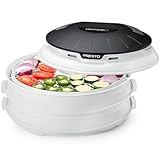

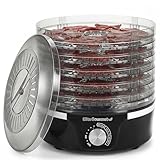
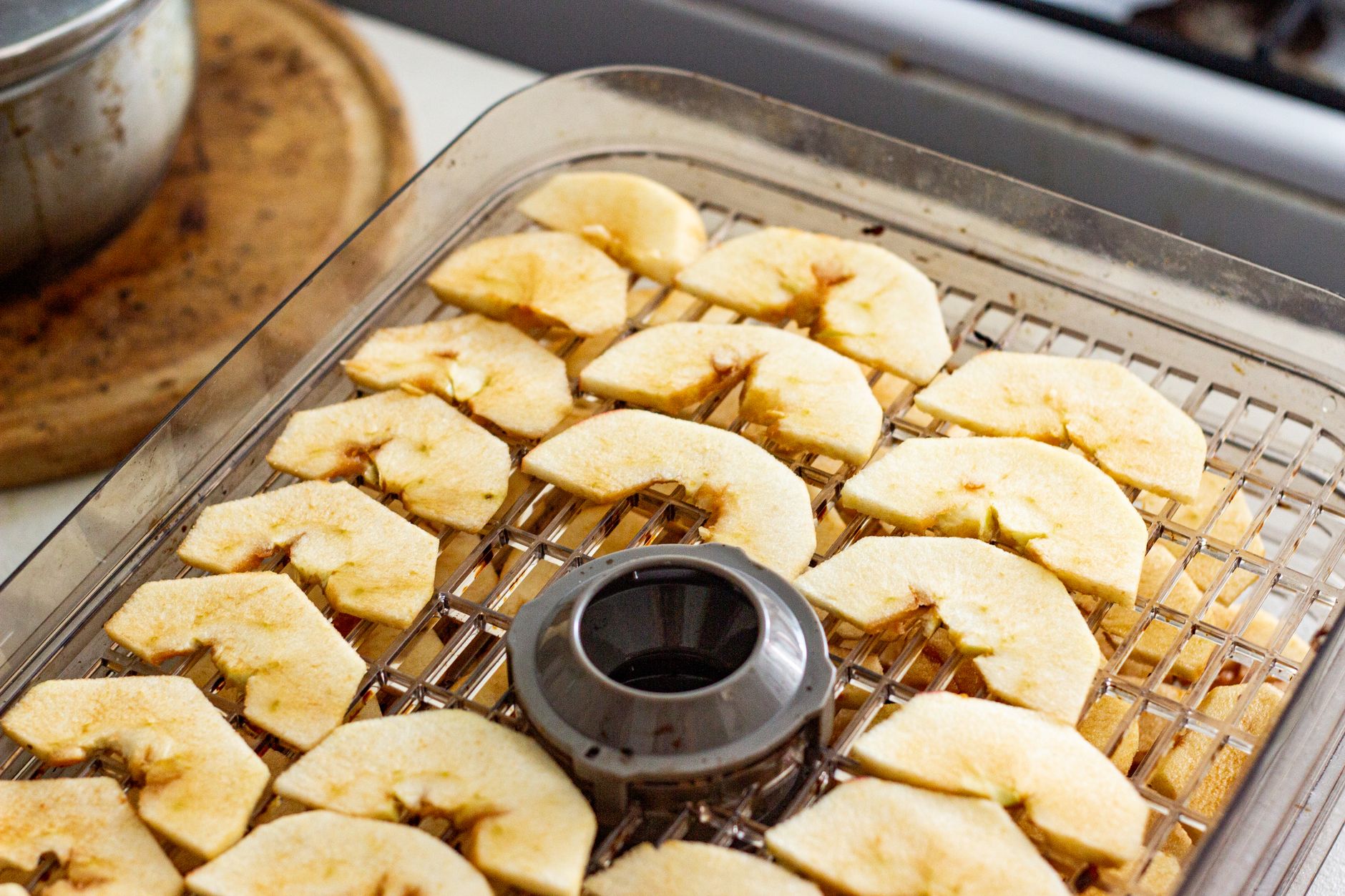
Faulty Thermostat or Temperature Controller
The thermostat is the component that tells the heating element when to turn on and off. If it stops working, the element may never receive the signal to heat up. You might notice the fan still runs but no warmth comes out.
To test, set your dehydrator to its highest temperature and wait 10-15 minutes. If the interior remains cool, the thermostat could be stuck open. A multimeter can confirm continuity across the thermostat terminals. Replacement thermostats are widely available for most models.
Burned Out Heating Element
The heating element is a resistive wire that glows hot when electricity passes through it. Over time, the wire can break or develop a hot spot that melts the wire, causing an open circuit. When this happens, the dehydrator will not produce any heat.
Visually inspect the element through the vents or by opening the unit (after unplugging). Look for any visible breaks, dark spots, or melted sections. If the element looks intact, use a multimeter to check for continuity. No continuity means the element needs replacement.
Blown Thermal Fuse
A thermal fuse is a safety device that cuts power to the heating circuit if the temperature exceeds a safe limit. If the dehydrator overheated even once, the fuse may have blown permanently. This is a one time safety measure and cannot be reset.
Locate the thermal fuse (usually near the heating element or thermostat) and test it with a multimeter. If it shows no continuity, replace it with an identical fuse. Make sure to use the same temperature rating to maintain safety.
Loose or Damaged Wiring
Vibration during operation can loosen wire connections inside the dehydrator. A wire may have pulled free from a terminal or developed a break inside the insulation. Even if the thermostat and element are good, a broken wire stops current flow.
Unplug the unit and open the housing. Check all wire connections to the thermostat, element, and fuse. Look for burnt or corroded terminals. Reattach any loose wires and consider replacing any wire that shows signs of fraying or melting.
Faulty Power Cord or Outlet
Sometimes the problem is not inside the dehydrator at all. A damaged power cord or a dead outlet can prevent the unit from receiving the voltage it needs. The fan may still run if the motor is on a separate circuit, but the heating element requires a solid connection.
Plug another appliance into the same outlet to confirm it works. Inspect the power cord for cuts or exposed wires. If the outlet is fine and the cord looks damaged, replace the cord or contact the manufacturer for service.
How to Fix a Food Dehydrator That Is Not Heating
- Check the power outlet and cord first to rule out external issues.
- Test the thermostat with a multimeter and replace if open.
- Inspect and test the heating element; replace if broken or no continuity.
- Check the thermal fuse and replace if blown.
- Tighten or replace any loose or damaged internal wiring.
If you have tested all these components and the dehydrator still does not heat, the control board (if your model has one) may have failed. In that case, consider whether the cost of repair is worth it compared to a new unit. For general appliance care tips that help prevent issues like mineral buildup, see our guide on how to remove coffee maker mineral buildup.
Frequently Asked Questions
Why is my dehydrator running but not heating?
This usually means the fan motor is working but the heating circuit is open. The most common causes are a blown thermal fuse, a failed thermostat, or a broken heating element. Check each component with a multimeter to identify the faulty part.
Can I replace the heating element in a food dehydrator?
Yes, in most models the heating element is a replaceable part. You can order a compatible element online or from the manufacturer. Be sure to unplug the unit and discharge any capacitors before touching internal components.
How do I test a food dehydrator thermostat with a multimeter?
Set your multimeter to continuity or resistance mode. Disconnect the thermostat wires and place one probe on each terminal. At room temperature, the thermostat should show continuity (closed circuit). If it reads infinite resistance, the thermostat is stuck open and needs replacement.
Is it worth fixing an old dehydrator that won’t heat?
If the repair involves a simple part like a thermal fuse or thermostat, it is often worth it. If the heating element or control board is expensive, compare the cost to a new dehydrator. Basic models are affordable, but high end units may justify the repair.
Related Guides
Closing
A food dehydrator not heating is usually fixable by checking the thermostat, heating element, thermal fuse, and wiring in order. With basic tools and a multimeter, you can often restore your dehydrator to working condition. For more troubleshooting tips on kitchen appliances, visit our Blog.