When your coffee maker water not flowing, the most common cause is a clog in the water line, often from mineral buildup or coffee grounds. This typically happens in machines that use a one-way valve, a narrow tube, or a heating element to move water. Before you panic about a broken machine, know that most of these clogs are fixable with a simple cleaning routine. Let’s walk through the likely culprits and how to address each one.
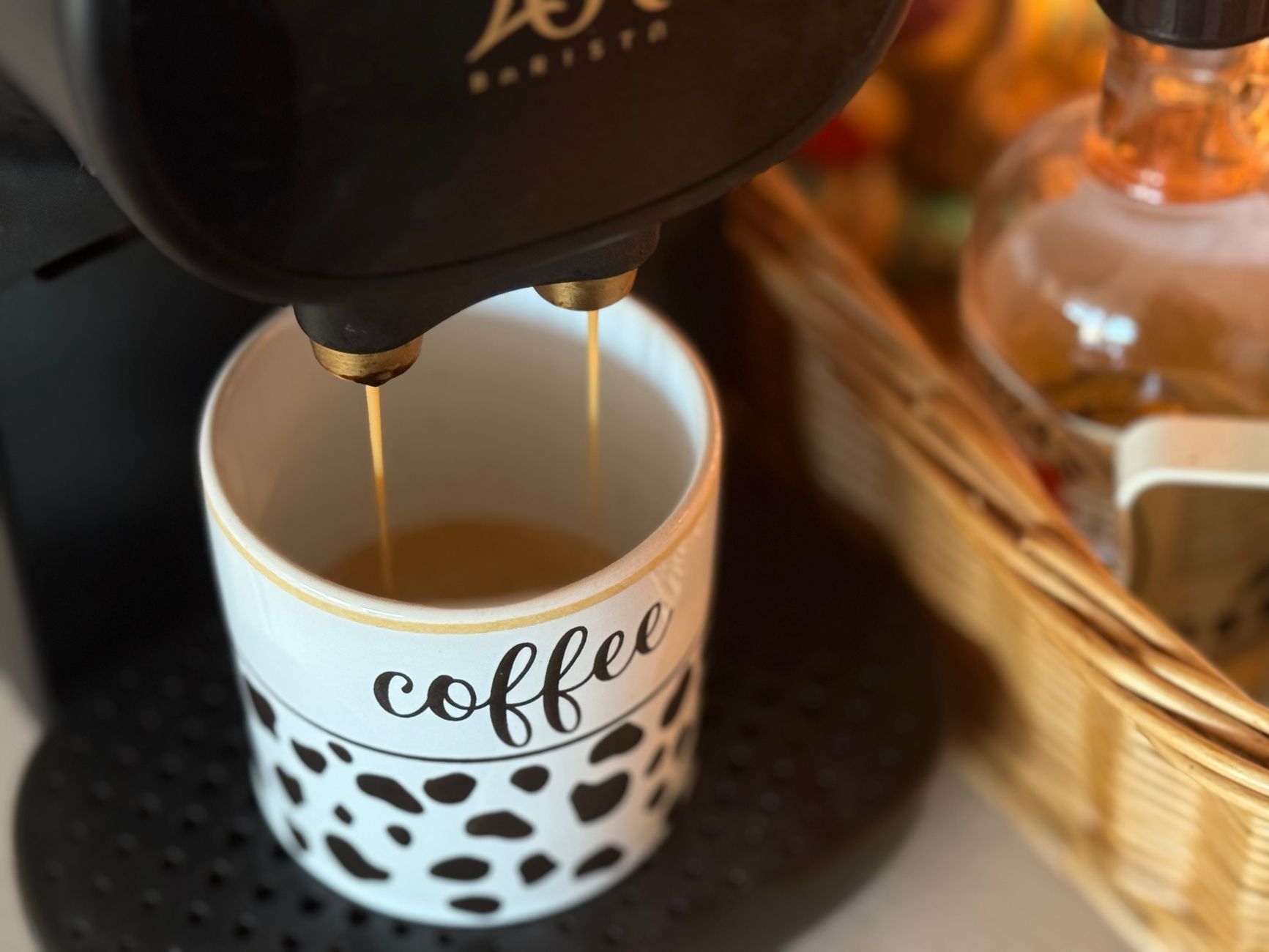
Mineral Buildup from Hard Water
Hard water contains calcium and magnesium that leave scale deposits inside your coffee maker’s water lines. Over time, these deposits can narrow or completely block the path water takes from the reservoir to the brew basket. If you live in an area with hard water, this is the most probable reason for your coffee maker water not flowing.
Descaling your machine with a vinegar solution or a commercial descaling product can dissolve these deposits. Most manufacturers recommend descaling every three to six months, depending on your water hardness. If you haven’t done this recently, it’s a good first step.
Clogged One-Way Valve
Many coffee makers have a small one-way valve that allows water to flow into the heating chamber but prevents it from flowing backward. This valve can become clogged with coffee grounds or mineral scale, blocking water from entering the heating element. When this happens, you’ll hear the pump running but little or no water comes out.
To check this, locate the valve (often near the water reservoir or the base of the machine) and clean it with a small brush or a paperclip. Be gentle to avoid damaging the valve. Some machines have a removable valve that you can soak in vinegar.
Blocked Water Line from Coffee Grounds
If you use a coffee maker with a reusable filter, coffee grounds can sometimes slip through and accumulate in the water line. This is especially common in machines where the filter basket doesn’t seal perfectly. The grounds can form a paste that blocks water flow, particularly in the narrow tube that leads to the spray head.
To fix this, remove the filter basket and check for any visible grounds. Run a cycle with water only and no coffee to flush out any loose particles. If the problem persists, you may need to disassemble parts of the machine to clean the tube directly.
Faulty Water Pump
The water pump is the component that pushes water from the reservoir through the heating element and out to the coffee grounds. If the pump fails, water won’t move at all. You might hear a buzzing sound from the pump trying to work, or you might hear nothing at all. A faulty pump is less common than a clog, but it does happen, especially in older machines.
Unfortunately, a broken pump often requires professional repair or replacement. Check your machine’s warranty before attempting any repair yourself. If the pump is the issue, it may be more cost-effective to buy a new coffee maker.
Air Lock in the Water System
An air lock can form when air gets trapped in the water line, preventing water from flowing. This is more common in machines with a vertical water path or after you’ve cleaned the reservoir and refilled it. The air bubble blocks the pump from creating enough pressure to move water.
To fix an air lock, try tilting the machine slightly to one side while it’s running to help the air bubble escape. You can also try running a cycle with the water reservoir lid open to allow air to escape. In some cases, you may need to use a syringe or a turkey baster to force water through the line manually.
How to Fix Your Coffee Maker When Water Won’t Flow
- Descale your machine with a vinegar or commercial descaling solution to remove mineral buildup.
- Clean the one-way valve with a small brush or paperclip.
- Flush the water line by running a cycle with water only to remove coffee ground clogs.
- Check the water pump for unusual noises or complete silence; consider repair or replacement if faulty.
- Remove an air lock by tilting the machine or manually forcing water through the line.
Related Guides
Frequently Asked Questions
Why is my coffee maker making noise but no water comes out?
This usually means the pump is running but can’t move water due to a clog or air lock. Check for mineral buildup in the water line or a blocked one-way valve first. If those are clear, the pump itself may be failing.
Can I use vinegar to unclog my coffee maker?
Yes, a mixture of equal parts white vinegar and water can effectively dissolve mineral scale. Run a full cycle with the solution, then run two or three cycles with fresh water to rinse thoroughly. Avoid using vinegar in machines with aluminum components, as it can cause corrosion.
How often should I descale my coffee maker?
For most machines, descaling every three to six months is sufficient. If you have hard water, you may need to do it monthly. Some newer machines have a descaling indicator light that tells you when it’s time.
Is it safe to use a paperclip to clean the one-way valve?
Yes, but be gentle. A paperclip or a small pipe cleaner can dislodge debris without damaging the valve. Avoid using anything too sharp or abrasive that could scratch the plastic or rubber parts.
What if my coffee maker is still under warranty?
If your machine is under warranty, contact the manufacturer before attempting any repairs. Opening the machine or using non-approved cleaning methods could void the warranty. The manufacturer may offer free repair or replacement.
Final Thoughts
When your coffee maker will not push water through, it is almost always a clog or an air lock that you can fix yourself with basic cleaning. Start with descaling and valve cleaning, and you should have your morning brew back in no time. If cleaning does not restore the flow, the pump may be failing, and our roundup of the best coffee makers is a good place to look for a replacement.