🔥 Black Friday Kitchen Deals 2026: picks worth watching →
You are standing in your kitchen, staring at a pile of scratched nonstick pans, wondering if it is time for an upgrade. The search for durable, high-performance cookware often leads to two modern contenders: Made In and Misen. Both brands have built loyal followings by promising professional-grade quality without the restaurant supply price tag. But which one truly delivers for your cooking style in 2026? This guide compares Made In vs Misen across key factors like materials, heat control, and durability, so you can make a confident choice.
We have examined the product lines from each brand, focusing on their flagship stainless steel sets and innovative carbon steel skillets. Whether you are a weekend warrior or a daily home chef, understanding the differences between these two brands will save you time and money. Let us dive into the details.



Buying Guide
Material and Construction Quality
When choosing between Made In and Misen, the materials tell the story. Made In crafts its stainless steel cookware in Italy using five layers of premium metal, delivering exceptional heat distribution and responsiveness. Their 5-ply clad construction ensures no hot spots, whether you are searing a steak or simmering a delicate sauce. For a deeper look at how Made In compares to another industry leader, check out our made in vs all clad analysis.
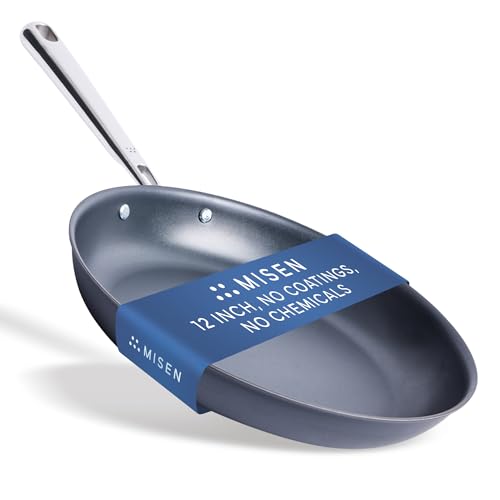
Misen takes a different approach with its carbon steel skillets. These pans are nitrided for hardness and feature an integrated aluminum core that heats five times faster than cast iron. The result is a pan that responds instantly to temperature changes, giving you the control of stainless steel with the release properties of nonstick. Both brands avoid harmful chemicals, with Misen being 100% PFOA, PTFE, and PFAS-free.
Heat Control and Versatility
Heat management is where these brands diverge. Made In’s 5-ply stainless steel offers steady, even heat across the entire surface, ideal for tasks like browning butter or cooking delicate fish. The pans are induction-compatible and oven-safe, making them true workhorses. In contrast, Misen’s carbon steel skillets excel at high-heat searing and can withstand temperatures up to 1100°F, allowing you to move from stovetop to grill without hesitation.
If you often cook over an open flame or need a pan that can handle intense heat, Misen’s carbon steel line is a standout. For everyday versatility and even cooking across multiple burner types, Made In’s stainless steel sets are hard to beat. Both brands offer excellent performance, but your choice depends on whether you prioritize rapid heat response or consistent, gentle heat.
Durability and Maintenance
Longevity matters when investing in cookware. Made In’s stainless steel is built to last a lifetime, resisting warping and staining with proper care. Their stainless steel cleaner, a powder that removes burnt-on food, helps maintain the shine. Misen’s carbon steel pans develop a natural patina over time, which improves nonstick performance and makes them metal-utensil safe. However, carbon steel requires more upkeep, including seasoning and drying immediately after washing to prevent rust.
For those who prefer low-maintenance cookware, Made In’s stainless steel is easier to care for day to day. If you enjoy the ritual of seasoning and want a pan that gets better with age, Misen’s carbon steel is a rewarding choice. For a comparison of other popular cookware sets, see our caraway vs our place guide.
Product Range and Value
Made In offers a comprehensive cookware lineup, including stainless steel sets, nonstick options, and specialty tools like spider strainers. Their 10-piece stainless steel set covers most cooking needs, from frying pans to stockpots. Misen focuses on carbon steel skillets in various sizes, with a deeper skillet for added capacity. While Misen’s range is narrower, each pan is designed to replace multiple traditional pans.
Value depends on what you cook most. If you need a full set for a new kitchen, Made In’s 10-piece set provides everything at a competitive price point. If you want a single, high-performance skillet that can sear, sauté, and go in the oven, Misen’s carbon steel options offer exceptional value. Browse our full cookware category for more comparisons.
Final Thoughts
After comparing Made In vs Misen, the best choice comes down to your cooking priorities. For home chefs who value even heat distribution, low maintenance, and a complete set, the Made In Cookware – 10 Piece Stainless Steel Pot is a reliable investment that will serve you for years. If you prefer a single, versatile pan that excels at high-heat cooking and develops a natural nonstick surface over time, the Misen Carbon Nonstick™ Skillet delivers professional performance with a healthier, chemical-free approach. Both brands represent excellent craftsmanship, so choose the one that fits your kitchen habits best.
Frequently Asked Questions
Is Made In cookware worth the investment in 2026?
Yes, Made In cookware is crafted in Italy with 5-ply clad construction, offering professional-grade heat control and durability. It is a solid investment for home cooks who want restaurant-quality results without the restaurant price.
How does Misen carbon steel compare to traditional nonstick?
Misen carbon steel skillets are a healthier alternative to Teflon, being 100% PFOA, PTFE, and PFAS-free. They build a natural patina that improves with use and can withstand higher temperatures, making them more versatile for searing and oven use.
Which brand is better for induction cooktops?
Both Made In and Misen are induction-compatible. Made In’s stainless steel sets are specifically designed with a 430 stainless steel layer for optimal induction performance, while Misen’s carbon steel pans also work well on induction burners.
Can I use metal utensils on Misen pans?
Yes, Misen’s carbon nonstick skillets are metal-utensil safe because they lack a fragile chemical coating. You can use metal spatulas, whisks, or tongs without worrying about scratching or flaking.