🔥 Black Friday Kitchen Deals 2026: picks worth watching →
You are prepping a fresh salad for dinner. You reach for your cutting board, but it slides across the counter, stains from last night’s beets linger, and the surface feels dull. This guide covers the best cutting board for veggies in 2026, helping you find a board that stays put, resists odors, and keeps your knives sharp. Whether you are a home cook or a meal prep enthusiast, we have got you covered. For more cookware essentials, check out our Cookware category.



Buying Guide
Material Matters: Plastic, Bamboo, Stainless Steel, or Titanium
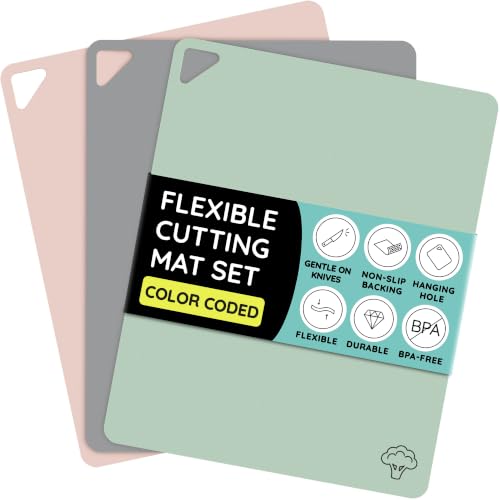
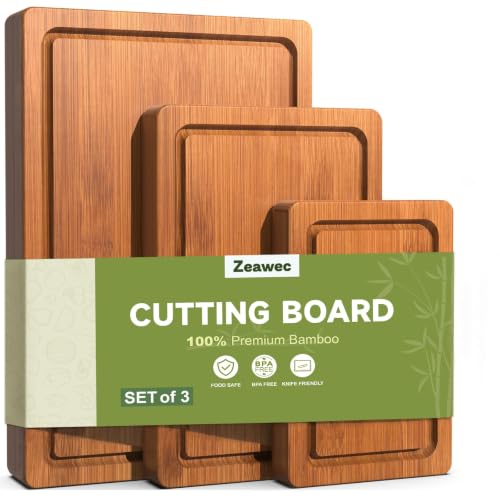
The material of your cutting board affects knife edge retention, hygiene, and ease of cleaning. Plastic boards like the Flexible Plastic Cutting Board Set of 3 are lightweight and gentle on blades, but they can develop deep grooves over time. Bamboo boards, such as the 3-Piece Set Deep-Carbonized Bamboo Cutting Board, are hard and durable, but they may dull knives faster. Stainless steel and titanium boards offer non-porous surfaces that resist odors and stains, but they are harder and can be noisy. For veggies, a medium-hard surface like plastic or bamboo is ideal for preserving knife sharpness.
Consider your cutting style. If you chop a lot of leafy greens and soft veggies, a plastic board with some give is great. For root vegetables and hard squashes, a sturdier bamboo or composite board provides stability. For more insights, read our Best Products guide.
Size and Thickness: Room to Chop
Size matters when prepping multiple veggies. A board that is too small forces you to work in batches, while a large board can be unwieldy. Look for dimensions around 15×12 inches for a comfortable workspace. Thickness also plays a role: thicker boards (around 1/2 inch or more) are more stable and less likely to warp. Thin, flexible mats are great for transferring chopped veggies directly to a pot, but they may slide more.
For most home kitchens, a set of three boards in different sizes, like the THETCHRY Plastic Cutting Board Set of 3, offers versatility without taking up too much counter space.
Non-Slip Features: Safety First
A slipping cutting board is a hazard, especially when chopping slippery veggies like tomatoes or cucumbers. Look for boards with rubberized edges, silicone grips, or textured backings. The GORILLA GRIP Cutting Board is renowned for its non-slip corners that anchor it firmly. Some boards, like the THETCHRY set, have anti-slip feet on both sides, making them reversible and stable.
If you often cut wet produce, a non-slip feature is non-negotiable. It prevents accidents and makes your prep faster and more enjoyable.
Ease of Cleaning and Maintenance
Veggies can leave stains and odors, especially beets, carrots, and onions. Non-porous surfaces like stainless steel, titanium, or high-quality plastic resist absorption. Many boards are dishwasher safe, but some require hand washing. The SNOWCLAD Stainless Steel Cutting Board is dishwasher safe and non-porous, making cleanup a breeze. Bamboo boards need periodic oiling to prevent cracking. Choose a board that fits your cleaning routine to ensure long-term use.
Final Thoughts
After evaluating key features like material, size, non-slip grip, and ease of cleaning, the Flexible Plastic Cutting Board Set of 3 stands out for its versatility and budget-friendly price, while the GORILLA GRIP Cutting Board excels in stability and durability for heavy chopping. Both options cater to different needs, so pick the one that matches your cooking style and enjoy safer, more efficient veggie prep.
Frequently Asked Questions
What is the best material for a cutting board for veggies?
Plastic and bamboo are popular choices. Plastic is gentle on knives and easy to clean, while bamboo is durable and naturally antimicrobial. For odor resistance, stainless steel or titanium boards are excellent. Choose based on your priority: knife care or longevity.
How do I prevent my cutting board from sliding?
Look for boards with non-slip features like rubber feet, silicone edges, or textured backings. You can also place a damp paper towel or a non-slip mat underneath. Brands like GORILLA GRIP and THETCHRY design their boards with anti-slip technology.
Can I put a bamboo cutting board in the dishwasher?
It is not recommended. Dishwashers can cause bamboo to crack or warp due to high heat and moisture. Hand wash with mild soap and dry immediately. For dishwasher-safe options, choose plastic or stainless steel boards.
How often should I replace my cutting board?
Replace your board when it develops deep grooves, cracks, or persistent odors. For plastic boards, this can be every 1 to 2 years with heavy use. Bamboo and stainless steel boards can last longer with proper care. For more tips, check our related article.