You’re standing in the kitchen, ready to dice an onion, but your dull knife slips and crushes instead of slicing. We’ve all been there. A quality chef knife transforms cooking from a chore into a joy, but with so many options, finding one that balances performance and price can be overwhelming. In this guide, we’ve evaluated nine top contenders to help you find the best value chef knife for your needs, whether you’re a home cook or a professional. We’ve considered blade material, handle comfort, and overall durability to ensure you get the most bang for your buck. For more on choosing the right blade, check out our comparison of chef knives vs. butcher knives.



Buying Guide: What Makes a Chef Knife Worth Your Money?
When hunting for the best value chef knife, you need to look beyond the price tag. A truly valuable knife offers a balance of sharpness, durability, and comfort that makes every cut effortless. Here are the key factors we considered when evaluating these knives.
Blade Material and Hardness
The blade steel determines how sharp the knife gets and how long it stays that way. High-carbon stainless steel is the sweet spot for value, offering excellent edge retention and corrosion resistance. Look for a Rockwell hardness rating between 55 and 58, which indicates a blade that can take a fine edge without being brittle. Knives like the PAUDIN Chef Knife and imarku Japanese Chef Knife use high-carbon steel for reliable performance.
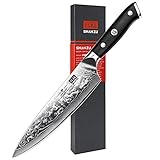
Some knives feature a Damascus pattern, which adds visual appeal and can indicate layered steel construction. For example, the SHAN ZU Chef Knife offers a Damascus finish that not only looks stunning but also provides a hardened edge. However, remember that the pattern is cosmetic; the core steel is what matters most.
Handle Comfort and Balance
A chef knife should feel like an extension of your hand. The handle’s shape, material, and weight distribution affect how comfortable it is during long prep sessions. Ergonomically designed handles with a non-slip grip reduce fatigue and prevent accidents. The HENCKELS Classic 8-Inch Chef Knife features a traditional triple-rivet handle that offers a secure, balanced grip. For a more modern feel, the Brewin CHEFILOSOPHI set uses pakkawood handles that are both elegant and ergonomic.
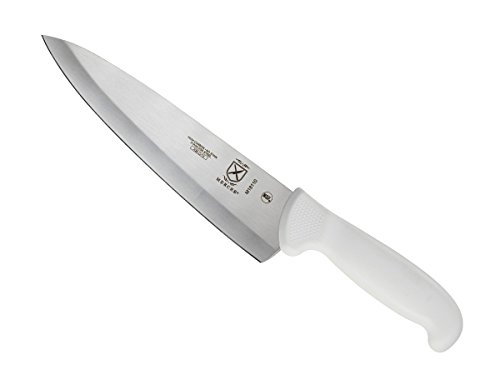
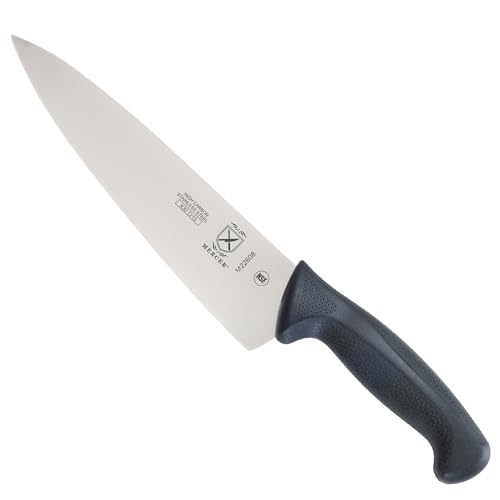
Balance is crucial: the knife should feel weighted in your hand, not blade-heavy or handle-heavy. A full tang, where the blade extends through the handle, provides better balance and durability. The Mercer Culinary Ultimate White is known for its well-balanced design, making it a favorite among culinary students.
Versatility and Set Contents
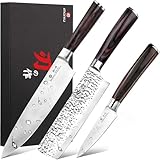
While a single 8-inch chef knife can handle most tasks, some cooks prefer a set that includes a paring knife or santoku for specialized jobs. Sets like the imarku 3 Pieces Knife set offer great value by providing multiple blades for different uses. A santoku knife is excellent for slicing, dicing, and mincing, while a paring knife is perfect for peeling and detail work.
Think about your cooking style. If you often prepare large roasts or chop vegetables, a chef’s knife is essential. If you do a lot of precision work, a smaller utility knife might be more useful. The FACZER Chef Knife comes with a knife holder and sharpener, adding extra value for maintenance.
Final Thoughts
After reviewing these nine chef knives, we’ve found that the Brewin CHEFILOSOPHI Japanese Chef Knife Set 5 PCS stands out for its exceptional craftsmanship and comprehensive set, making it ideal for serious home cooks who want a professional-grade experience. For those on a tighter budget, the Mercer Culinary Ultimate White offers incredible value with its high-carbon steel blade and ergonomic handle, perfect for beginners or anyone seeking a reliable workhorse without breaking the bank. Whether you choose a full set or a single blade, investing in a quality chef knife will elevate your cooking and last for years.
Frequently Asked Questions
What is the best value chef knife for home cooks in 2026?
For most home cooks, the Mercer Culinary Ultimate White is a top pick because it offers professional quality at an affordable price. Its high-carbon steel blade holds an edge well, and the ergonomic handle makes it comfortable for everyday use.
How often should I sharpen my chef knife?
You should hone your knife with a honing rod every few uses to keep the edge aligned. A full sharpening with a whetstone or sharpener is recommended every 3-6 months, depending on how frequently you cook. Some knives, like the FACZER Chef Knife, come with a sharpener for convenience.
Are expensive chef knives worth the money?
Not always. While premium knives offer superior materials and craftsmanship, many mid-range knives perform admirably. The key is to prioritize blade steel and handle comfort. For example, the PAUDIN Chef Knife delivers excellent performance at a fraction of the cost of high-end brands.
What is the difference between a chef knife and a santoku knife?
A chef knife typically has a curved blade that allows for a rocking motion, ideal for chopping herbs and vegetables. A santoku knife has a straighter edge and a sheep’s foot tip, making it better for slicing and dicing with a push-cut motion. Both are versatile, but your preference depends on your cutting style. For more details, check our guide on chef knives vs. butcher knives.
For more cookware recommendations, explore our cookware category and best products pages to find your next kitchen upgrade.