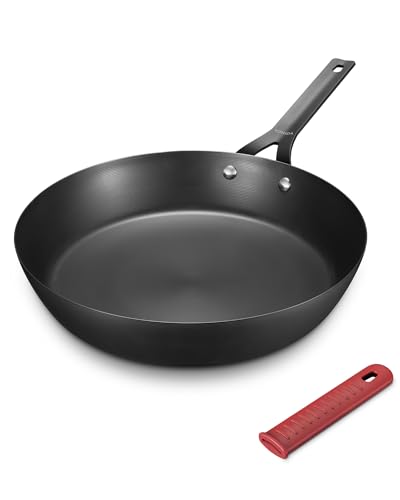
You’re staring at a pile of scrambled eggs stuck to the pan, again. The frustration is real, and the cleanup is worse. Finding a nonstick pan that actually lives up to its name can feel like a never-ending quest. That’s why we’ve evaluated the top nonstick pan brands to help you choose a skillet that makes cooking and cleaning a breeze.
Whether you’re a breakfast enthusiast who needs perfect omelets or a home chef who wants a versatile workhorse, this guide covers the best options. We’ve compared features, durability, and performance across leading brands like Cuisinart, Tramontina, and All-Clad. For more insights on egg-specific pans, check our guide on the best non stick pan for eggs and waffles.




Buying Guide: What to Look for in a Nonstick Pan
Coating Type: Ceramic vs. Traditional Nonstick
The coating determines how well food releases and how healthy your cooking is. Traditional nonstick coatings, often PTFE-based, provide excellent release but may raise concerns about chemicals. Ceramic coatings, like those from SENSARTE, are free of PFOA, PTFE, and PFAS, making them a popular choice for health-conscious cooks.
Ceramic pans also handle higher heat without releasing toxic fumes, and they’re often more eco-friendly. However, they may not be as durable as hard-anodized options. For a deeper comparison, read our article on stainless steel non stick frying pans to see how materials differ.
Construction and Heat Distribution
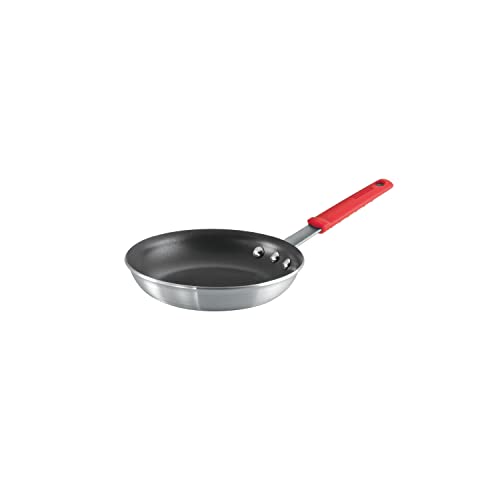
A pan’s base material affects how evenly it heats. Heavy-gauge aluminum, used in Tramontina’s Professional line, ensures fast, uniform heat and prevents hot spots. Hard-anodized aluminum, found in Calphalon and All-Clad pans, adds durability and warp resistance.
If you have an induction cooktop, look for pans with a magnetic stainless steel base, like the CAROTE models. These pans heat quickly and evenly across all stovetops, making them versatile for any kitchen setup.
Handle Design and Oven Safety
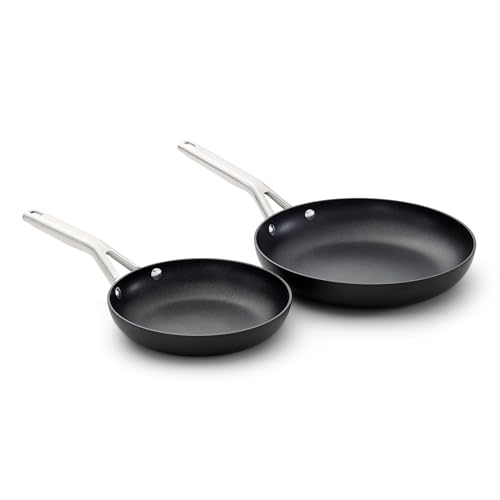
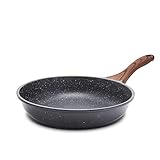
Comfortable, stay-cool handles are essential for safe cooking. Riveted stainless steel handles, like those on Cuisinart’s Chef’s Classic, provide a secure grip and remain cool on the stovetop. Some pans, like SENSARTE’s, feature bakelite handles with a woodgrain design that stays cool and is comfortable to hold.
Oven safety is another key factor. If you plan to finish dishes in the oven, choose a pan that’s oven-safe to at least 400°F. All-Clad’s HA1 pans are oven safe up to 500°F, while Calphalon’s hard-anodized line handles up to 450°F. For more on choosing the right pan material, see our guide on carbon steel frying pans.
Final Thoughts
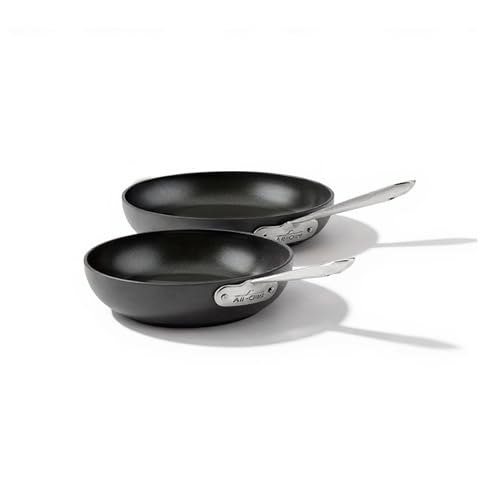
When choosing the best nonstick pan brand, consider your cooking habits and priorities. For a versatile, durable set that excels in both performance and ease of cleaning, the All-Clad HA1® Nonstick, 2-Piece Fry Pan Set is a top-tier choice. If you prefer a healthier, ceramic option that’s gentle on the environment, the SENSARTE Nonstick Ceramic Frying Pan Skillet offers excellent nonstick performance without harmful chemicals. Both options deliver exceptional results, so you can cook with confidence and enjoy effortless cleanup every time.
Frequently Asked Questions
What is the safest nonstick pan brand?
Brands like SENSARTE and CAROTE offer ceramic nonstick coatings that are free of PFOA, PTFE, and PFAS, making them among the safest options. These pans do not release toxic fumes even when overheated, and no coating will flake into your food. Always check the product specifications to confirm the coating is free of harmful chemicals.
How long do nonstick pans last?
The lifespan of a nonstick pan depends on the coating quality and how you care for it. High-quality pans from brands like All-Clad and Calphalon can last several years with proper use. Avoid using metal utensils and abrasive cleaners, and hand wash to extend the nonstick surface. Ceramic pans may need replacement sooner, typically every 1 to 2 years, depending on usage.
Are ceramic nonstick pans better than traditional ones?
Ceramic nonstick pans are often preferred for their eco-friendly, chemical-free coating and higher heat tolerance. They are ideal for health-conscious cooks who want to avoid PTFE and PFOA. However, traditional nonstick pans, like those with PTFE, may offer slightly better release and durability. The choice depends on your priorities: health and environmental impact versus maximum nonstick performance.
Can I use metal utensils on nonstick pans?
It’s best to avoid metal utensils on nonstick pans to prevent scratching the coating. Use silicone, nylon, or wooden utensils to preserve the nonstick surface. Even with durable coatings, metal utensils can cause damage over time, reducing the pan’s effectiveness. For more tips on cookware care, check our guide on knife sets for beginners.