You wake up, stumble to the kitchen, and face the eternal question: pour over coffee maker or French press? Both promise a superior cup, but they deliver wildly different experiences. The pour over shines with clean, bright flavors, while the French press offers a bold, full-bodied brew. This guide breaks down the differences to help you choose the right one for your taste and lifestyle.
We’ve evaluated a range of top-rated models from brands like Bodum, AeroPress, Secura, and OXO to give you a clear picture. Whether you’re a coffee purist or a casual drinker, you’ll find the perfect brewer here. Let’s dive into the showdown.




Buying Guide: Pour Over vs French Press
Flavor Profile and Clarity
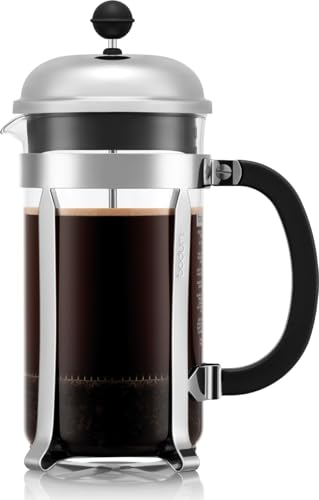
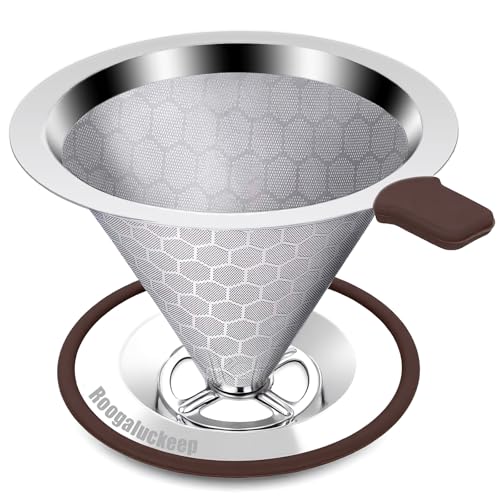
Pour over brewers like the Bodum 17oz Pour Over Coffee Maker use a paper or metal filter to trap oils and fine particles, resulting in a crisp, tea-like cup with pronounced acidity and floral notes. The French press, on the other hand, uses a metal mesh that lets natural oils and micro-grounds through, yielding a richer, heavier body with a velvety mouthfeel.
If you prefer a clean, nuanced flavor, pour over is your ally. If you crave a bold, intense brew, French press wins. Consider what you enjoy most in a cup before committing.
Ease of Use and Brewing Time
French presses are famously forgiving. Add coarse grounds, pour hot water, wait four minutes, and press. The AeroPress Original Coffee Press, French Press even offers versatility for espresso-style shots. Pour over requires more attention: you control the water flow and saturation, which can be meditative or tedious depending on your mood.
For busy mornings, a French press is quicker to master. For weekend rituals, pour over rewards patience with a more hands-on experience. Both methods take under five minutes, but pour over demands a steady hand.
Cleanup and Maintenance
Pour over makers like the Bodum 34oz Pour Over Coffee Maker often have dishwasher-safe carafes and reusable filters, making cleanup a breeze. French presses require disassembling the plunger and filter to remove grounds, which can be a bit messier. However, many modern presses like the Veken 34oz French Press Coffee Maker are designed for easy handwashing.
If you dread scrubbing, pour over has a slight edge. But with a little routine, French press cleanup becomes second nature. Look for models with removable parts for simpler maintenance.
Durability and Materials
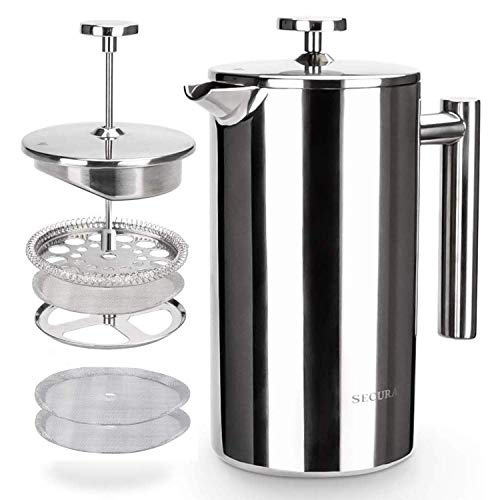
Glass carafes are elegant but fragile. The Secura French Press Coffee Maker offers a stainless steel build that’s nearly indestructible and retains heat longer. For pour over, borosilicate glass like that in the Bodum 34oz Pour Over Coffee Maker resists thermal shock, but it’s still breakable.
Consider your kitchen environment. If you’re clumsy or plan to travel, stainless steel is safer. For a classic look and lighter weight, glass is charming. Also, check for plastic-free options if you’re health-conscious, like the Veken French Press Coffee Maker,No Plastic.
For more detailed comparisons, check our guide to Bodum French presses and non-toxic pour over options.
Final Thoughts
Choosing between a pour over and a French press ultimately boils down to your flavor preference and lifestyle. If you cherish a bright, clean cup with minimal cleanup, the Bodum 17oz Pour Over Coffee Maker is a fantastic choice. For a robust, full-bodied brew that’s forgiving to brew, the Secura French Press Coffee Maker delivers durability and rich taste. Both are excellent investments for any coffee lover.
Frequently Asked Questions
Is pour over coffee stronger than French press?
Strength is subjective. French press coffee has more body and sediment, making it taste bolder. Pour over has a cleaner mouthfeel but can be brewed stronger by adjusting the coffee-to-water ratio. In 2026, many enthusiasts prefer pour over for its clarity, even at higher concentrations.
Which method is easier for beginners?
French press is generally easier because it doesn’t require precise pouring techniques. You add water, wait, and press. Pour over requires a gooseneck kettle and a steady hand for even extraction. If you’re new to manual brewing, start with a French press like the Veken 34oz French Press Coffee Maker for a hassle-free experience.
Can you make cold brew with both methods?
Yes, both can make cold brew. For French press, steep coarse grounds in cold water for 12-24 hours, then press. For pour over, you can brew directly over ice for a flash-chilled cup. The OXO Brew Single Serve Pour-Over Coffee Maker is great for quick iced pour overs.
Which method is more environmentally friendly?
Both can be eco-friendly if you use reusable filters. Many pour over makers come with permanent stainless steel filters, like the Bodum 17oz Pour Over Coffee Maker, eliminating paper waste. French presses inherently use metal mesh filters, so they’re also waste-free. Choose a model with durable materials to reduce long-term impact.
For more coffee brewing insights, explore our Coffee & Tea category.