So you’ve decided to smoke ribs. Maybe you’ve watched countless videos, seen the mouthwatering photos, and dreamed of that perfect, fall-off-the-bone texture. But standing in front of your smoker for the first time can feel overwhelming. What wood to use? What temperature? How long? This guide is for you, the backyard enthusiast ready to level up. We’ll cover everything from choosing the right gear to mastering the technique, so your next rack of ribs is a showstopper. For more on outdoor cooking gear, check out our review of the EAST OAK Ridgewood Pro 30 Electric Smoker.




Buying Guide
Choose the Right Smoker
The foundation of great ribs starts with your smoker. For beginners, a vertical charcoal smoker like the INGRILL Small 12 lbs Vertical Stainless Steel offers excellent heat control and a compact footprint. Its low-smoke design is perfect for patios and small backyards.
If you prefer an electric option, the Bradley Smoker Smoke Generator With Adapter allows you to build a custom smokehouse, offering up to 9 hours of continuous smoke without refueling. Consider your space and how often you plan to smoke.
Master Temperature and Airflow
Consistent temperature is the secret to tender ribs. Aim for 225°F to 250°F. Use a reliable thermometer to monitor both the smoker and the meat. The built-in cylinder thermometer on the INGRILL smoker, along with its air vent and oxygen ring, helps regulate airflow and temperature easily.
For electric smokers, the Bradley Smoker generator maintains a steady 8 hours of controlled cool smoke. Remember that every time you open the lid, heat escapes, so keep peeking to a minimum. For more tips, read our govee bluetooth meat thermometer review.
Select the Perfect Wood and Smoke Source
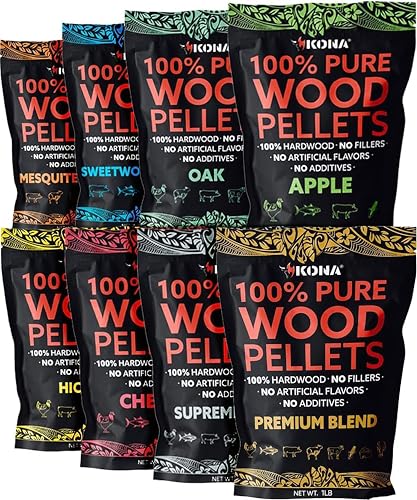
Wood choice defines your rib flavor. Hickory and mesquite are classic for pork ribs, while cherry or pecan add a milder, sweeter smoke. The IMSurQltyPrise Smoker Smoke Tube Box for Pellets (12″ hexagon) works with any gas, electric, or charcoal grill, providing up to 5 hours of continuous smoke. It’s a versatile tool for infusing rich flavor without a dedicated smoker.
You can also use wood chips or bisquettes in the Bradley Smoker generator for up to 9 hours of smoke. Experiment with different woods to find your signature flavor.
Learn from the Experts with Cookbooks
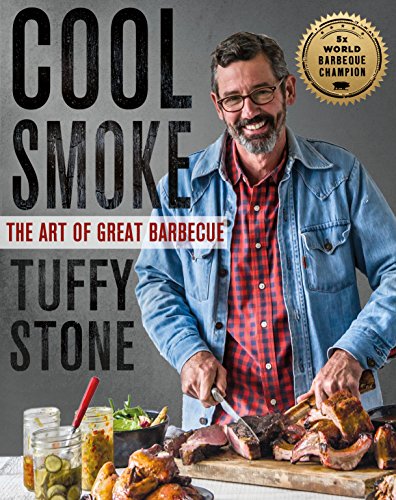
Even the best equipment needs a solid recipe. Cookbooks like “Your First Smoker Cookbook” and “Cool Smoke: The Art of Great Barbecue” provide exact settings for various smokers and step-by-step instructions for ribs, brisket, and pulled pork. They’re invaluable for avoiding dry meat and nailing the perfect cook every time.
Final Thoughts
Smoking ribs is a rewarding journey that combines patience, technique, and the right tools. For a compact, versatile smoker that’s perfect for beginners and seasoned cooks alike, the INGRILL Small 12 lbs Vertical Stainless Steel offers outstanding value with its 3-in-1 cooking system and complete accessory kit. If you’re looking to add smoky flavor to any grill, the IMSurQltyPrise Smoker Smoke Tube Box for Pellets is an affordable, easy-to-use solution that delivers up to 5 hours of consistent smoke. Whichever path you choose, you’re on your way to creating memorable barbecue.
Frequently Asked Questions
What is the best temperature to smoke ribs?
The ideal temperature range for smoking ribs is 225°F to 250°F. This low-and-slow method breaks down connective tissue and renders fat, resulting in tender, juicy meat. Use a reliable thermometer to maintain consistent heat throughout the cook.
How long does it take to smoke ribs?
Depending on the type of ribs and your smoker temperature, expect 4 to 6 hours for baby back ribs and 5 to 7 hours for spare ribs. Always cook to doneness rather than time; ribs are ready when the internal temperature reaches 195°F to 203°F and the meat pulls back from the bone.
Should I wrap ribs in foil while smoking?
Wrapping ribs in foil (the Texas crutch) after a few hours can speed up cooking and help retain moisture. However, it softens the bark. Many pitmasters prefer to smoke ribs unwrapped for a firmer bark, then wrap only if needed. Experiment to find your preference.
What wood is best for smoking ribs?
Hickory is the classic choice for pork ribs, offering a strong, bacon-like flavor. Apple and cherry woods provide a milder, sweeter smoke that pairs well with pork. For a bolder taste, try mesquite or pecan. The IMSurQltyPrise Smoker Smoke Tube Box for Pellets is compatible with all these wood pellets, making it easy to experiment.